


10 Ideas for What to Do With Vacant Land
Ross AmatoOwning a piece of raw land is the first step in a journey filled with potential. But once the deed is in your name, the big question arises: what to do with vacant land? An empty parcel is a blank canvas, offering possibilities that range from building a dream home to generating passive income or creating a personal recreational retreat. For first-time buyers, understanding these options is crucial for making a smart, rewarding investment.
This guide is designed to transform that question into a plan. We will explore ten practical and profitable uses for your land, breaking down the pros, cons, estimated costs, and actionable steps involved with each idea. Whether you purchased land for self-sufficiency, recreational freedom, or long-term financial growth, you'll find concrete strategies tailored to your goals. Our focus is on turning your property from an empty lot into a valuable, functional asset that aligns with your vision. For a broader perspective on transforming your vacant parcel, a comprehensive guide to building on rural land can help you navigate everything from initial planning to environmental considerations. This list provides the specific ideas to get you started, helping you weigh the opportunities and decide on the best path forward for your unique piece of property.
1. Build a Home or Getaway Cabin
Building a home is one of the most popular and rewarding answers to the question of what to do with vacant land. This path transforms a raw parcel into a personal sanctuary, whether it’s a primary residence, a seasonal vacation home, or an off-grid cabin. For buyers, this option offers a direct route to affordable homeownership, escaping the high costs and competition of urban markets.
The appeal lies in complete customization. You can design a home that perfectly fits your lifestyle, from a modern solar-powered mountain retreat to a traditional homestead with its own well and septic system. The rise of the tiny home movement and interest in sustainable living has further expanded the possibilities, making it feasible to create energy-independent homes tailored to any landscape.

Why Choose This Path?
Building your own home allows you to control the cost, design, and location, creating long-term equity and a legacy asset. It is particularly well-suited for families seeking space, retirees planning a custom-built final home, or individuals pursuing a self-sufficient, off-grid lifestyle. By purchasing affordable land with owner financing, you can secure your location first and build when your budget and timeline allow.
Actionable Next Steps:
- Verify Zoning and Building Codes: Before purchasing, contact the county’s planning and zoning department to confirm that residential construction is permitted. Ask about minimum square footage requirements, setback rules, and any specific building codes for the area.
- Assess Utility and Access: Determine the costs for connecting to the power grid, or plan your budget for an off-grid system (solar, generator). Investigate the feasibility and cost of drilling a well and installing a septic system. Ensure the property has legal, year-round road access.
- Conduct a Site Evaluation: Hire professionals to perform a soil percolation test (for septic systems) and a geological survey to identify the best building site on your parcel.
- Connect with Local Experts: Engage with contractors and architects who have experience building in rural and remote environments. They will be familiar with local challenges, from weather patterns to supply chain logistics.
2. Create a Private Campground
Transforming your parcel into a private campground or recreational escape is a popular and profitable answer to what to do with vacant land. Your property can become a destination for RVers, campers, glampers, or anyone seeking a connection with nature. This model generates ongoing revenue through site fees and rentals while preserving the land's natural beauty.
The appeal lies in tapping into the booming tourism and outdoor recreation market. You can develop anything from simple, rustic tent sites to fully-equipped RV parks or luxurious glamping retreats. Imagine offering stargazing domes in the desert, a secluded fishing camp, or a basecamp for hikers near national parks. Platforms like Hipcamp and RVshare make it easy to market your property and manage bookings.

Why Choose This Path?
Developing a recreational site allows you to generate passive or active income while enjoying your own land. It is perfect for landowners who are passionate about the outdoors and want to share their property with others. This path is especially suited for parcels with unique natural features like water access or scenic views. With a low initial investment for basic campsites, you can scale your operations as revenue grows. For a deeper dive into this option, learn more about camping on your own land here.
Actionable Next Steps:
- Check Zoning and Permitting: Contact the county planning department to confirm that commercial recreational use or campground operations are permitted. Inquire about specific regulations for sanitation, density (number of sites), and business licenses.
- Assess Site Infrastructure Needs: Evaluate the costs for installing necessary infrastructure. This could include drilling a well for potable water, installing septic systems or vault toilets, creating level pads for RVs, and ensuring safe road access to each site.
- Develop a Business & Marketing Plan: Identify your target audience (e.g., families, solo adventurers, RV travelers). Create a unique selling proposition, such as eco-friendly amenities or guided activities. Plan to list your property on booking platforms like Hipcamp, Airbnb, or RVshare.
- Start Small and Scale: Begin by offering a few basic campsites to test the market and generate initial income. Use the profits to gradually add more sites, upgrade amenities like solar-powered charging stations, or build unique structures like yurts or tiny cabins.
3. Start a Small Farm or Homestead
Transforming a raw parcel into a productive farm or a self-sufficient homestead is a deeply rewarding answer to the question of what to do with vacant land. This path connects you directly to the land, allowing you to cultivate food, raise livestock, and build a sustainable lifestyle.
The appeal is rooted in self-reliance and sustainability. You can create a system that nourishes your family and community, whether it's a small-scale market garden, a fruit orchard, or a permaculture homestead that mimics natural ecosystems. This approach is ideal for those looking to escape the conventional food system, generate an income from their property, and embrace a hands-on, regenerative way of life.
Why Choose This Path?
Agriculture and homesteading create tangible value from the ground up, offering food security, potential income, and a profound connection to your environment. It’s an excellent choice for aspiring farmers, families seeking a self-sufficient lifestyle, and entrepreneurs interested in niche markets like organic produce or artisanal goods. Securing your land with affordable owner financing allows you to invest in infrastructure and equipment as your operation grows.
Actionable Next Steps:
- Verify Agricultural Zoning & Water Rights: Contact the county planning department to confirm the land is zoned for agricultural use and inquire about any restrictions on livestock or farm structures. Crucially, investigate the property's water rights, as this will dictate the scale and type of farming you can legally pursue.
- Conduct Soil and Climate Analysis: Get the soil tested to understand its composition, pH, and nutrient levels. Research the local climate, including first and last frost dates, average rainfall, and USDA Plant Hardiness Zone, to select appropriate crops and livestock breeds.
- Start Small and Scale Intelligently: Begin with a manageable project, such as a high-value herb garden, a flock of chickens, or a few beehives. This allows you to learn the land and local market before making larger investments in equipment, fencing, or irrigation systems.
- Connect with Local Agricultural Networks: Join local farming cooperatives, visit farmers' markets, and connect with the nearest USDA extension office. These resources provide invaluable knowledge, support, and a direct path to market for your products.
4. Use It as a Private Hunting & Wildlife Preserve
Transforming your property into a private hunting ground or wildlife preserve is a compelling answer to what to do with vacant land for outdoor enthusiasts. This approach leverages the land's natural resources, turning a raw parcel into a managed habitat for recreation, conservation, and potential income. It caters to a growing demand for exclusive access to well-maintained hunting areas and pristine natural environments.
The appeal is rooted in creating a personal connection with nature while actively managing the land's ecosystem. You can cultivate a thriving environment for species like elk, mule deer, or upland game birds. This model goes beyond simple ownership; it involves stewardship, combining recreational pursuits with the long-term benefits of wildlife conservation and potential revenue from guided hunts or eco-tourism.
Why Choose This Path?
Developing a hunting or wildlife preserve allows you to enjoy your land’s recreational value while potentially generating income and contributing to conservation. It is an excellent choice for hunting enthusiasts, conservation-minded investors, and landowners who want to create a legacy property. With affordable land secured through owner financing, you can acquire the ideal habitat and develop it over time as your resources permit.
Actionable Next Steps:
- Research Local Wildlife and Regulations: Contact the state’s Game and Fish Department to understand native species, hunting seasons, tag/license requirements, and any regulations governing private hunting operations.
- Develop a Habitat Management Plan: Consult with a wildlife biologist or a conservation organization to create a plan for improving food sources, water access, and cover for target species.
- Assess Access and Infrastructure Needs: Ensure your property has reliable legal access for yourself and potential guests. Plan for necessary infrastructure, such as a small cabin, equipment storage, or cleared trails.
- Explore Conservation Easements: Investigate conservation easements with a local land trust. This can provide significant tax benefits and potential funding in exchange for agreeing to protect the land’s natural habitat from future development.
5. Lease It for Solar & Renewable Energy Projects
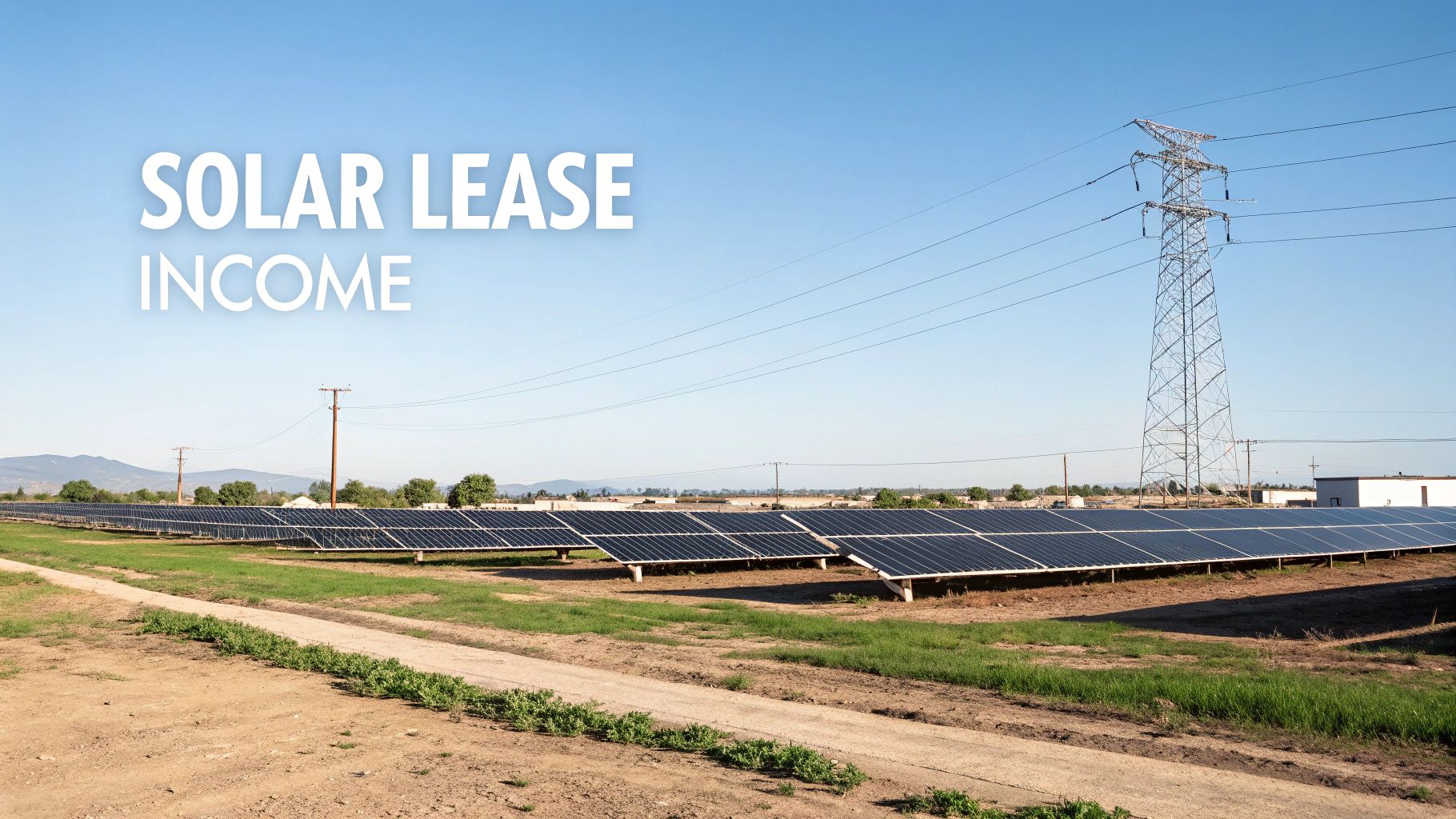
Transforming your land into a source of renewable energy is a forward-thinking answer to the question of what to do with vacant land. The abundant sunshine across many states makes them a prime location for solar farms. This path allows landowners to generate significant passive income by leasing their property to energy developers.
This option is ideal for parcels with specific characteristics: relatively flat, clear of major obstructions, and with good access to existing power infrastructure. From large, utility-scale solar farms covering hundreds of acres to smaller community solar projects, landowners can play a crucial role in the transition to clean energy while creating a reliable, long-term revenue stream from otherwise unused property.
Why Choose This Path?
Leasing land for a solar project offers a hands-off, long-term income stream with contracts often lasting 20 to 30 years. It’s an excellent choice for investors holding large, non-agricultural parcels who want to maximize their return without active management. It aligns financial goals with environmental stewardship, making it a powerful legacy investment.
Actionable Next Steps:
- Assess Solar & Wind Potential: Use free resources like the National Renewable Energy Laboratory (NREL) solar resource maps to evaluate your land’s viability. Flat, sun-drenched land is ideal for solar.
- Evaluate Proximity to Infrastructure: Contact local utility companies to identify the location and capacity of the nearest substations and transmission lines. Proximity is a critical factor for developers, as interconnection costs can be substantial.
- Connect with Energy Developers: Reach out to reputable renewable energy companies that operate in your state. They can assess your property's potential and discuss lease options. Prepare to provide your parcel number, acreage, and location details.
- Analyze Financial Viability: For those exploring renewable energy, an important first step is to evaluate the financial viability using a tool like a solar return on investment calculator. Always seek legal and financial counsel to review any proposed lease agreements before signing.
6. Develop an Off-Grid Homestead or Eco-Village
For those wondering what to do with vacant land beyond a single-family dwelling, creating an off-grid homestead cluster or eco-village offers a powerful community-focused alternative. This approach involves developing multiple properties in concert, often with shared resources like renewable energy systems, water wells, and gardens. It is a path for like-minded individuals to pursue a sustainable, self-sufficient lifestyle together.
These projects transform raw land into thriving hubs of environmental consciousness and mutual support. This model is gaining traction among those seeking to build resilient communities away from the pressures of modern urban life.
Why Choose This Path?
This path is ideal for groups seeking to pool resources, reduce individual costs, and build a strong social fabric rooted in shared values of sustainability and self-reliance. It allows for larger-scale projects, such as permaculture farming, that would be difficult for one person to manage alone. By purchasing adjacent parcels with owner financing, a group can secure the land needed for their vision and develop it collaboratively over time.
Actionable Next Steps:
- Develop a Community Vision and Governance: Before purchasing land, establish clear, written documents outlining the community’s mission, values, and decision-making processes. This is the most critical step for long-term success.
- Consult with Legal and Financial Experts: Engage lawyers experienced in land trusts, co-housing, and cooperative structures. Create a robust financial plan and transparent budget that all founding members agree upon.
- Verify Zoning for Communal Living: Contact the county planning department to understand regulations related to multiple dwellings and shared utilities. Some rural areas are more amenable to intentional communities than others. For a deeper dive into the practicalities of self-sufficient living, learn more about off-grid living for beginners.
- Start with a Pilot Project: Begin with a small, manageable phase to test community dynamics and infrastructure. Focus on establishing essential common facilities to strengthen bonds and prove the concept before expanding.
7. Hold It as a Long-Term Investment (Land Banking)
Land banking is a classic investment strategy and a powerful answer to the question of what to do with vacant land for those with a long-term vision. This approach involves purchasing raw, undeveloped land in the path of future growth and holding it as its value appreciates over time. It's a patient, strategic play that capitalizes on population shifts and new infrastructure projects.
The appeal of this strategy lies in its simplicity and potential for significant returns. An investor might acquire affordable acreage outside a growing city or in a town poised for expansion. As development pushes outward, the demand for land increases, driving up the property’s value. This method turns raw land into a powerful tool for building generational wealth, often with minimal holding costs compared to developed real estate.
Why Choose This Path?
Land banking is ideal for investors with patience and a long-term financial strategy, allowing them to benefit from market growth without the complexities of active management. It is particularly well-suited for individuals looking to diversify their portfolio with a tangible asset. Using owner financing to acquire multiple parcels allows investors to build a larger portfolio with less upfront capital, maximizing potential future returns.
Actionable Next Steps:
- Identify Growth Corridors: Research demographic data and city planning documents to find areas with consistent population growth and planned expansion.
- Track Infrastructure Plans: Contact county planning departments and monitor public records for proposed infrastructure projects, such as new highways or utility extensions. Proximity to future development is a key value driver.
- Analyze Zoning and Future Use: Review the county’s long-term comprehensive plan. While a property may be zoned for agriculture today, the plan might designate it for future residential or commercial use, signaling a prime investment opportunity.
- Adopt a Long-Term Mindset: Land banking is not a get-rich-quick scheme; it typically requires a holding period of 5-10 years or more. Be prepared to pay annual property taxes and wait for the market to mature. You can learn more about buying land for investment on DollarLandStore.com.
8. Create an Outdoor Recreation Venue
Transforming your vacant land into a hub for adventure is a powerful answer to what to do with vacant land. This path involves developing your property into a commercial facility for organized recreational activities, such as an ATV park, motocross track, or private rock climbing area.
This business model generates revenue through multiple streams, including entrance fees, equipment rentals, and hosting special events or competitions. By catering to the growing demand for outdoor experiences, you can turn a raw parcel into a profitable destination that attracts adventure sports enthusiasts from all over the region. It’s an ideal venture for entrepreneurs passionate about the outdoors and building a community around shared interests.
Why Choose This Path?
Developing a recreational facility allows you to capitalize on the natural features of your land and build a sustainable business. It is particularly well-suited for landowners with parcels that have unique topography, such as hills or rocky outcrops, which can be leveraged as assets. This option is ideal for entrepreneurs looking to create an active income stream rather than a passive investment.
Actionable Next Steps:
- Confirm Commercial Zoning: Contact the county’s planning and zoning department to ensure the property is zoned for commercial recreational use. Inquire about permits for earthmoving, building structures, and noise ordinances.
- Secure Comprehensive Liability Insurance: This is non-negotiable. Work with an insurance broker who specializes in adventure sports and recreation to find a policy that covers potential accidents and injuries. A robust waiver system is also essential.
- Develop a Phased Business Plan: Start small. You don’t need to build everything at once. Begin with a single motocross track or a few ATV trails. As revenue grows, you can add more features, like a beginner’s course or rental equipment.
- Engage with the Community: Connect with local ATV clubs, off-roading groups, and outdoor organizations. Building these relationships early can provide a built-in customer base and valuable feedback for developing your facility.
9. Develop Mineral and Resource Rights
Beneath the surface of your vacant land could lie a significant source of passive income. This path involves leveraging the property’s mineral rights, which govern the ownership and extraction of valuable geological materials. For landowners in regions where deposits of sand, gravel, stone, or other minerals are common, this presents a unique answer to the question of what to do with vacant land.
This approach can generate revenue through leasing your mineral rights to an extraction company for royalties or by launching a direct extraction operation yourself. It transforms your property from a static asset into a productive, income-generating resource tied to industrial and developmental needs.
Why Choose This Path?
Developing mineral rights can create a substantial, long-term revenue stream with relatively low initial effort if you choose to lease. It is ideal for investors with large acreage in geologically rich areas and landowners looking to diversify their income. Securing land with owner financing allows you to control these valuable sub-surface rights while you explore their commercial potential.
Actionable Next Steps:
- Understand Your Rights: First, confirm that you own the mineral rights to your property, as they can be sold separately from the surface rights. This information is typically found in the property’s deed and title history.
- Conduct a Geological Survey: Hire a qualified geologist or mining consultant to perform a survey of your land. This assessment will identify the type, quality, and quantity of any valuable deposits.
- Consult with Legal and Industry Experts: Engage an attorney specializing in mineral rights. They can help you navigate complex leasing agreements and negotiate favorable royalty rates.
- Evaluate Environmental Impact and Reclamation: Research local, state, and federal environmental laws governing extraction. Ensure any lease agreement includes strict terms for land reclamation, requiring the operator to restore the site after operations cease.
10. Start a Rural Tourism Business (Glamping, Retreats)
Transforming your vacant land into a destination is an ambitious but rewarding answer to the question of what to do with vacant land. This path involves developing hospitality experiences that attract tourists, from unique vacation rentals and glamping sites to full-scale retreat centers. The immense appeal of scenic landscapes provides a natural backdrop for creating unforgettable getaways that generate significant income.
The opportunity lies in catering to the growing demand for authentic, experience-based travel. You can create a niche destination that stands out, such as a desert glamping resort, a mountain wellness retreat, or a working ranch stay. This approach not only monetizes your property but also allows you to share its unique beauty with others.
Why Choose This Path?
Rural tourism allows you to build a scalable, high-revenue business that capitalizes on your land’s best features. It is ideal for entrepreneurs with a vision for hospitality and investors seeking diverse income streams. With affordable land purchased through owner financing, you can secure a prime location and develop your project in phases as your capital allows, minimizing upfront financial risk.
Actionable Next Steps:
- Confirm Commercial Zoning: Contact the county planning department to ensure your property is zoned for commercial or hospitality use. Inquire about regulations for short-term rentals, campgrounds, or retreat centers.
- Develop a Business & Marketing Plan: Define your target audience and unique selling proposition. Create a financial forecast for construction, operational costs, and projected revenue. Plan your marketing strategy, including professional photography and listings on platforms like Airbnb and Vrbo.
- Plan Infrastructure and Amenities: Assess needs for water (wells), power (grid or solar), and waste management (septic systems) to support multiple guests. Plan for essential amenities like road access, parking, and common areas.
- Secure Permits and Insurance: Obtain all necessary building permits, business licenses, and health department approvals. Secure comprehensive liability insurance specifically designed for hospitality businesses to protect your investment and guests.
What This Means for Buyers
Owning vacant land opens up a world of possibilities, but it also comes with a responsibility to do thorough research. For a first-time buyer, the most important takeaway is that your vision for the land must align with local regulations and the physical characteristics of the property.
Here are the key implications for you:
- Due Diligence is Your Best Friend: Before you finalize a purchase, you must verify the zoning, access rights, and potential restrictions on the property. A quick call to the county planning and zoning department can save you from significant headaches and financial loss down the road.
- Budget Beyond the Land Price: The purchase price is just the beginning. Whether you plan to build, farm, or camp, there will be additional costs for development, such as clearing land, drilling a well, installing a septic system, or paying for permits. A realistic budget accounts for these future expenses.
- Financing Can Be a Tool: Traditional banks are often hesitant to finance raw land. This is where owner financing becomes a powerful tool. It allows you to secure a property with a lower down payment and predictable monthly payments, freeing up your capital for the actual development of the land.
The right piece of land is the foundation for your goals. By understanding the practical steps and potential hurdles, you can confidently move from a land buyer to a successful landowner.
Why Consider Dollar Land Store?
Choosing the right partner to buy land from is as important as choosing the land itself. At Dollar Land Store, we specialize in making land ownership accessible, especially for first-time buyers. We are not a real estate agency; we own every parcel we sell, which means we can offer a more direct and transparent process.
Here’s why buyers consistently choose us:
- Affordable Land & Low Payments: We focus on acquiring affordable rural land, allowing us to offer low prices and manageable monthly payments that fit almost any budget.
- Simple Owner Financing: We provide straightforward seller financing with no credit checks. Our goal is to make land ownership achievable for everyone, regardless of their credit history.
- Transparency from the Start: Every property listing includes detailed information, clear terms, and no hidden fees. We believe an informed buyer is a confident buyer.
- Fast and Easy Process: Because we own the land, we can streamline the purchase process. There are no middlemen or lengthy bank approvals, so you can secure your land quickly and efficiently.
- Wide Inventory: We offer a diverse selection of properties across several states, from desert retreats in Arizona to mountain parcels in Colorado, ensuring you can find land that matches your vision.
Our mission is to remove the barriers to land ownership by providing a trustworthy, simple, and affordable path to getting the deed in your name.
Your Next Steps to Land Ownership
Now that you have a clearer idea of what you can do with vacant land, it’s time to take action. The journey from dream to reality begins with these simple steps.
- Define Your Goal: Decide on the primary purpose for your land. Is it for recreation, investment, or building a future home? This will help you focus your search.
- Browse Available Land: Explore current listings to see what’s available in your desired areas. Pay close attention to property size, location, and features that align with your goal.
- Understand Seller Financing: If you're new to the concept, learn more about how our simple, no-credit-check seller financing works. It's the most accessible way to start your land ownership journey.
- Ask Questions: Don’t hesitate to reach out with any questions. Our team is here to provide clear, honest answers to help you make an informed decision.
Conclusion
The question of "what to do with vacant land" is not a challenge, but an opportunity. Whether your dream is to build a home, start a farm, create a recreational getaway, or make a wise long-term investment, the possibilities are vast. The key to success lies in matching your vision with the right property and a clear, actionable plan. By conducting thorough due diligence and starting with a manageable first step, you can transform a simple parcel of land into a valuable asset that brings you joy, freedom, and financial growth for years to come.
Ready to find the perfect parcel to bring your vision to life? Browse available land at DollarLandStore.com.