


Long Weekend Getaway Ideas: Wide-Open Escapes
Ross AmatoIn 2023, short trips of one to three nights accounted for 48.8% of all tourism trips in the European Union, while the average U.S. summer long-distance trip measured 284 miles one way in 2001. Eurostat and the U.S. Bureau of Transportation Statistics show why the best long weekend getaway ideas often combine a reachable outdoor destination with a practical base, such as rural land, provided you verify access, zoning, camping, RV, fire, utility, and parcel-specific rules first.
By Friday afternoon, many city residents want less scheduling, not more. A three-day escape can mean stargazing, hiking, photography, beachcombing, scenic drives, wildlife viewing, or reading somewhere with room to breathe. It doesn't have to mean a crowded hotel or a packed tourist itinerary.
Owning rural or recreational land can create a personal place to return to for outdoor time, camping where permitted, and future plans. Ownership alone doesn't automatically allow overnight stays, fires, RV use, structures, utilities, or development. Requirements vary by county, and some parcels may have access, zoning, HOA or POA, sanitation, or environmental limitations.
Dollar Land Store is a direct seller of vacant land offering seller-financed options, including no-credit-check options on qualifying properties, along with practical buyer education. You can browse available properties and compare current parcel details before deciding whether a coastal, desert, mountain, or wide-open-acreage setting fits your preferred way to get away.
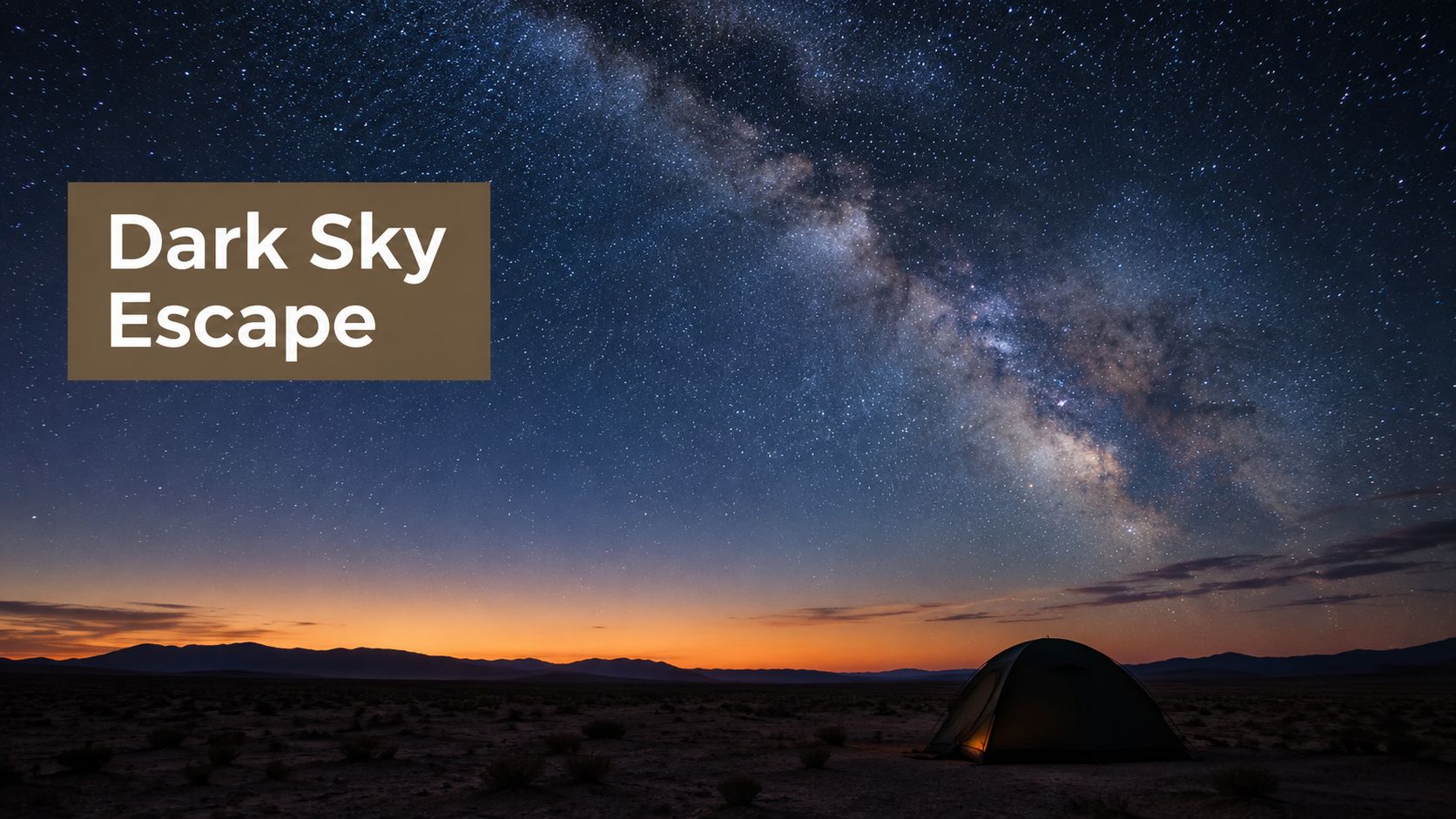
1. Desert Stargazing Weekends in Luna County and Navajo County
A desert weekend getaway works well for travelers who prefer open horizons, quiet roads, and a night sky without city glare. Luna County, New Mexico, can suit stargazing, astrophotography, scenic drives, and unplugged retreats. Navajo County, Arizona, offers a broad desert setting and access to attractions such as Petrified Forest National Park, making it possible to combine time on rural land with nearby public destinations.
The experience begins before sunset. Bring substantial drinking water, warm layers for the evening, sun protection, food, fuel, and offline maps. Cell service may be limited, so save parcel coordinates and route information before leaving town.
Build the weekend around daylight
Visit the property in daylight before planning an overnight trip. Look at the road surface, turning areas, neighboring boundaries, drainage, and the actual route from the public road to the parcel. Don't assume a listing description answers every access question.
If you're comparing current properties, review the map, parcel identity, terrain, nearby services, and seller-financing terms with Dollar Land Store. The company's Luna County land resource can help frame the area's rural appeal, but county rules still control permitted use.
Practical rule: Plan the first visit as an evaluation trip, not as proof that camping or RV use is allowed.
Stargazing works best when clouds, moonlight, road conditions, and weather align. Check current local restrictions before using a fire, setting up a tent, or parking an RV. Some parcels may not have water, power, septic approval, or legal overnight use.
2. Mountain Retreat Weekends in Costilla and Pueblo Counties
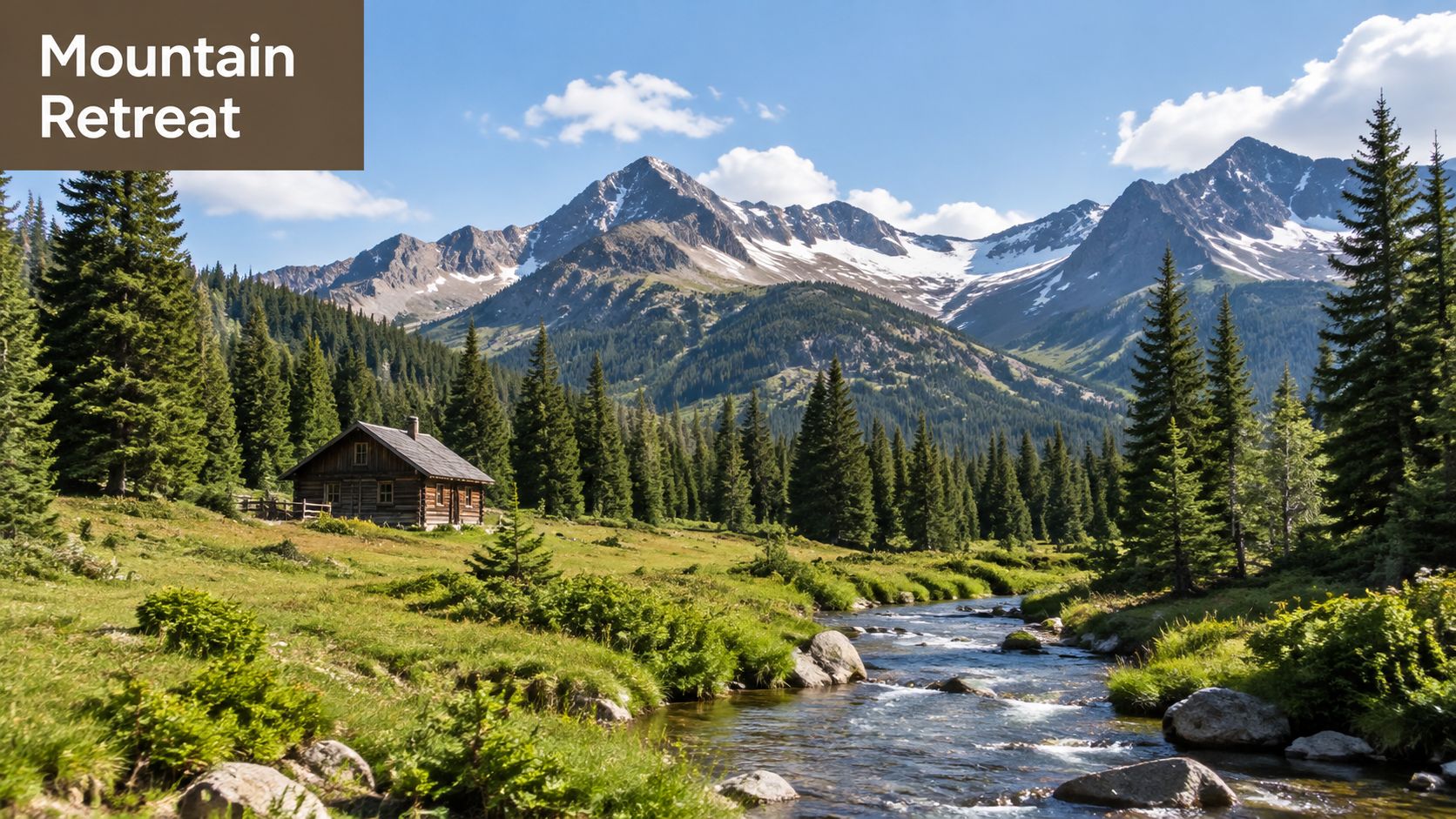
Mountain land changes the rhythm of a long weekend. Instead of chasing several attractions, you might spend the morning walking a trail, the afternoon photographing changing light, and the evening reading beside a permitted campsite. Costilla County and Pueblo County, Colorado, can appeal to buyers seeking mountain views, recreational land, and access to outdoor destinations.
Costilla County may interest travelers exploring the southern Colorado area near Trinchera and nearby public lands. Pueblo County can offer a different mix of valley scenery, mountain views, and access toward areas such as the Spanish Peaks. Fishing, hiking, wildlife viewing, and scenic drives may all fit the trip, but nearby opportunity doesn't establish rights on the parcel itself.
Evaluate the property in the season you plan to use it
A road that looks manageable during dry weather may present a different challenge after snow or heavy rain. Visit during the season that matters to you, inspect driveway conditions, and consider whether your vehicle can turn around without crossing neighboring land.
Download topographic maps before traveling. Elevation, slope, drainage, and seasonal hazards affect how a parcel feels in practice. Ask the county and planning department about zoning, camping, structures, sanitation, and access requirements.
The Costilla County land guide provides a useful starting point for exploring the market, while current listings should be checked for parcel-specific maps and terms.
Higher ground can bring beautiful views, but it can also bring colder nights, changing road conditions, and more demanding logistics.
Pack layers, insect repellent, navigation backups, and enough supplies for a self-contained visit. If you want to use an RV or stay overnight, confirm the rules for the exact parcel first. Rules differ by jurisdiction, and ownership doesn't replace county approvals or private restrictions.
3. Northern California Coastal Escapes in Shelter Cove and Humboldt County
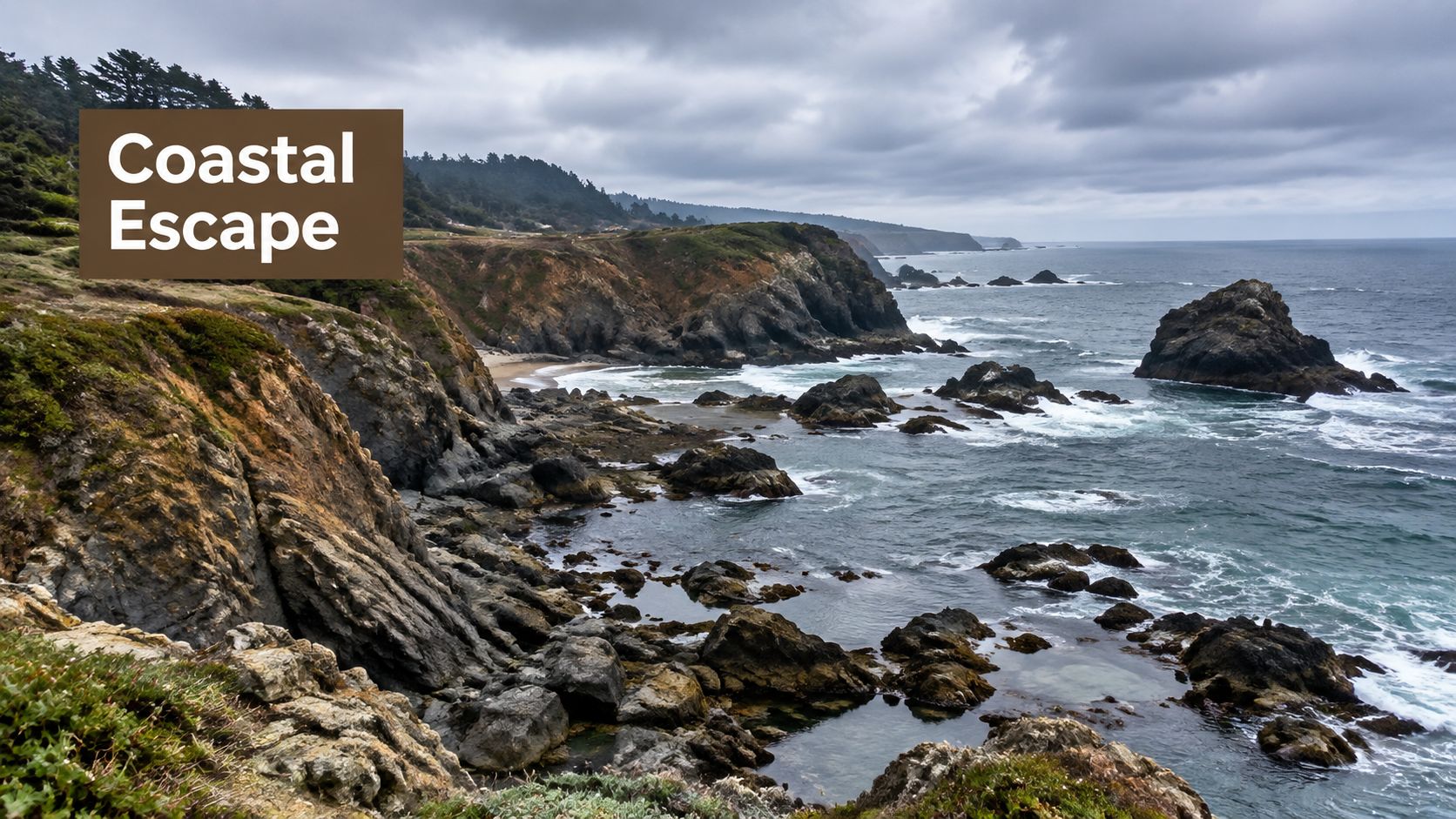
A Northern California weekend getaway has a different mood from a desert trip. Shelter Cove and parts of Humboldt County can appeal to people who want rocky beaches, sea cliffs, coastal walks, photography, beachcombing, and cool maritime weather. Nearby public trails and coastal scenery can fill the itinerary without requiring every hour to be planned.
Coastal land also demands careful observation. Weather changes quickly, roads may require maintenance, and bluff or shoreline conditions deserve attention. A parcel with an attractive view may still have limitations involving access, setbacks, drainage, erosion, zoning, or overnight use.
Treat access as a property question
Walk the route where legally permitted and compare the listing map with the county parcel viewer. Confirm the parcel ID, boundaries, roads, driveways, easements, plats, and any survey or title material. Written records are more dependable than informal assurances, as explained in this Northern California coastal land resource.
Bring waterproof clothing, layers, food, fuel, offline maps, and a backup communication plan. Cell service may be unreliable. Ask the county about camping, RV stays, fires, sanitation, and structures, then check any HOA or POA documents that apply.
A coastal parcel can be a base for exploration without being a guaranteed campsite, homesite, or legal route to the beach.
Visit in more than one season if the property is important to your plans. Talk with neighbors about road maintenance and storm patterns, but independently verify what they tell you. Your long weekend should reveal both the appeal and the practical limits of the land.
4. High-Desert Recreation in California City and Kern County
California City and surrounding Kern County can suit a California weekend getaway built around open space, photography, scenic driving, and outdoor exploration. The high desert offers broad views and a lower-friction setting for travelers who want to leave the city behind without committing to a resort itinerary.
The best use of a visit is often a combination of recreation and inspection. Walk the parcel, study the surrounding roads, note neighboring uses, and compare the actual terrain with the listing map. A property may look open on a screen but still have practical limits involving legal access, drainage, zoning, or private roads.
Prepare for sun, distance, and limited services
Bring more water than you expect to need, along with shade, cooling supplies, sun protection, food, fuel, and navigation backups. Download maps and store GPS coordinates before leaving areas with stronger service.
Dry-weather access can be easier to evaluate, but don't assume it represents every season. Ask the county about road standards, camping, RV use, fire restrictions, sanitation, and structures. If you're considering off-road activity, verify where that activity is lawful and respect private-property boundaries.
A weekend camping getaway on vacant land requires permission under local rules, not just ownership. Some parcels may be suitable for a daytime visit but not for overnight use.
For first-time buyers, compare acreage, terrain, distance to fuel and emergency services, nearby attractions, maps, taxes, and any HOA or POA fees. Seller financing can make a parcel easier to review within a monthly budget, but available terms and payment amounts vary by property.
5. Remote High Desert Privacy in Humboldt County, Nevada
Humboldt County, Nevada, is for the traveler who values solitude over convenience. Sagebrush plains, mountain views, wide-open acreage, and dark skies can support a remote weekend getaway focused on stargazing, quiet reading, photography, and simple outdoor recreation.
Remote land requires a different planning standard. Assume local services are limited until you've verified otherwise. Fuel, food, water, medical support, and reliable communications may be far from the parcel, so a short trip can require serious preparation.
Visit before you rely on the route
Request a detailed access description before purchasing. Then visit during the season when you expect to travel and inspect dirt roads in person. Use topographic maps, save GPS coordinates, and test your navigation in daylight.
Contact the county and relevant public-land offices to understand regulations near the parcel. Nearby public land doesn't automatically provide a right to cross private property, and a private road description may not answer every easement question.
Plan with a companion for especially remote visits. Tell someone where you're going, carry recovery and emergency supplies, and avoid treating a quiet parcel as a place where help is guaranteed.
Remote doesn't mean simple. It means the owner has to solve more of the trip's logistics before arrival.
Compare current listings by acreage, access documentation, terrain, nearby services, and seller-financing terms. Ask written questions about parcel identity, roads, easements, taxes, and restrictions. Before relying on a listing claim, match the parcel ID and boundaries with county records and request supporting documents, following the practical approach described in this vacant land due diligence checklist.
6. Scenic Mountain Valley Retreats in Pueblo and Costilla Counties
A lower-elevation valley can offer mountain scenery without the same access questions associated with higher terrain. Pueblo County and Costilla County, Colorado, may appeal to buyers who want meadow views, seasonal recreation, wildlife observation, photography, and possible access to nearby water features.
A valley parcel can be a strong setting for an unhurried weekend. You might explore a nearby trail, visit a small town, photograph changing weather, or fish where lawful opportunities exist. That doesn't mean a stream, creek, or lake creates a private fishing right, water right, or reliable utility source.
Read the land rather than assuming from the view
Visit during spring or early summer if seasonal water conditions matter to your decision. Walk the boundaries where permitted, identify whether the water feature is on the parcel, and review topographic maps for drainage and terrain.
Ask the county about zoning, floodplain considerations, septic approval, structures, camping, and RV use. Investigate utilities and water availability independently. A scenic parcel may lack power, a driveway, a well, or an approved sanitation system.
Check neighboring properties for existing structures, road maintenance, and utility patterns, but treat conversations as context rather than proof. Written county records and parcel-specific documents should guide the decision.
Give the weekend a simple purpose
Bring fishing equipment only after confirming lawful access and applicable regulations. Pack a camera, walking shoes, layers, food, water, and navigation tools. If the first trip is an evaluation visit, focus on observing the property instead of trying to create a full camp experience.
7. Oregon Rural Recreation and Privacy
Central and eastern Oregon offer varied rural settings, from high desert to juniper country and forested areas. Depending on the location, a weekend could include hiking, fishing where permitted, photography, wildlife viewing, scenic drives, or visits to nearby lakes, streams, and recreation areas.
Properties near Bend, the John Day River, or public lands can feel very different from one another. Compare terrain, road conditions, weather, nearby services, and county rules instead of treating “Oregon land” as one uniform category.
Check the parcel during difficult conditions
A winter visit can reveal seasonal access issues that a dry-weather trip hides. Ask neighbors about road maintenance and local services, but verify the answers with the county and written property records. Download county maps and zoning information before traveling.
Water deserves special care. Nearby water doesn't guarantee water on the parcel, legal access, year-round availability, or approval for a well or septic system. If fishing is part of your plan, confirm the specific public access and current rules rather than assuming a nearby river is available for private use.
A rural recreation plan should be built around verified access, not just a beautiful listing photograph.
For an off-grid weekend getaway, bring supplies, maps, weather-appropriate clothing, and a communication backup. Confirm whether camping, RV use, fires, and sanitation are allowed on the exact parcel. Oregon properties may offer privacy and recreation, but suitability depends on the individual lot and local requirements.
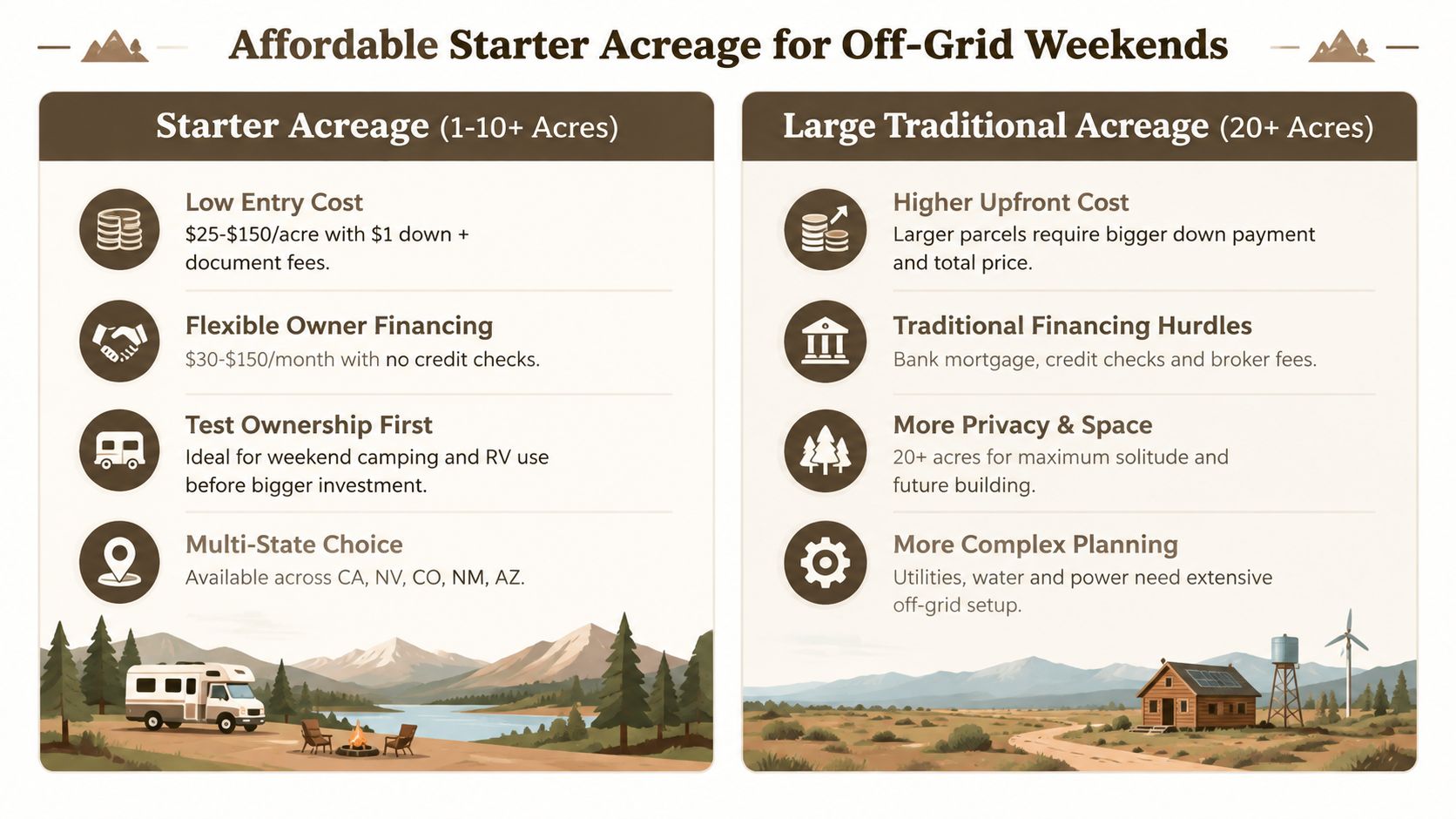
8. Affordable Starter Acreage for Off-Grid Weekends
A first parcel doesn't need to support every future goal. Some buyers want a place for daytime outdoor recreation, while others are exploring a longer-term idea involving camping where permitted, an RV stay where permitted, or eventual development subject to approvals.
Dollar Land Store offers direct land sales across multiple Western states, with inventory that can include California, Nevada, Colorado, New Mexico, Arizona, and Oregon. Buyers can compare acreage, location, terrain, nearby attractions, parcel maps, pricing, taxes, and available seller-financing options.
Match the parcel to one immediate use
Start with the activity that matters most. If you want stargazing, prioritize privacy and night-sky conditions. If you want hiking, study nearby public access and terrain. If you want family outdoor weekends, consider road access, services, and the practical space required for safe recreation.
Don't buy based only on a low monthly payment. Review the full contract, document fees, payoff terms, recording process, late-payment provisions, and any restrictions. “Affordable” should describe the complete obligation, not just the first payment you see.
Camping, RV use, structures, fires, sanitation, and overnight stays may all be regulated. Buyers should independently verify current requirements with the county and any applicable HOA or POA before planning recreational use.
9. Weekend Escape Planning and Pre-Trip Research
The most enjoyable rural weekend starts before the drive. First, define the experience: stargazing, hiking, photography, fishing, beachcombing, wildlife viewing, a scenic drive, or a quiet reading retreat. Then confirm whether the parcel and surrounding area can legally and practically support that plan.
Use the county GIS portal to locate the parcel's zoning designation, then read the actual use table in the zoning ordinance and confirm the interpretation with the local planning department. The map alone may not show every use limit, and requirements vary by county.
Build a property file before arrival
Keep the listing, parcel map, access description, tax information, HOA or POA documents, zoning notes, and written answers together. Confirm:
- Access and boundaries: Match the parcel ID, roads, driveways, easements, boundaries, and plats with county records.
- Overnight use: Ask specifically about camping, RV stays, tents, structures, sanitation, and duration limits.
- Utilities and water: Verify availability, connection requirements, well questions, septic approval, and whether any feature is merely nearby.
- Safety and logistics: Check weather, road conditions, fuel, food, emergency services, cellular coverage, and fire restrictions.
Download maps before entering areas with limited service. Bring sufficient water, respect neighboring properties, follow Leave No Trace principles, and don't cross private boundaries to reach a scenic location.
For broader outdoor preparation, this backpacking trip planning guide offers useful planning context. It doesn't replace parcel-specific research or county confirmation.
10. Understanding Seller Financing and Land Ownership
Seller financing lets a buyer purchase land directly from the seller under a payment agreement rather than using a traditional bank mortgage. The practical appeal is a defined payment plan, but the contract controls the relationship. Rates, terms, fees, down payment requirements, and monthly amounts vary by property.
Read the agreement before making assumptions about ownership. In many owner-financed arrangements, the buyer may have contractual or equitable interests while the seller retains legal title until the balance is paid. The deed generally comes after payoff and completion of the transfer process.
Separate payoff from deed recording
Receiving a deed and recording it with the county are separate steps. After payoff, ask who prepares the deed, which documents must be signed, whether a payoff statement is required, and how the county recorder handles submission. Keep payment records and correspondence until the deed has been recorded.
Seller-financing questions should include:
- Contract terms: Ask how payments are allocated among principal, interest, fees, taxes, and other charges.
- Payoff process: Request written instructions and confirm whether there are deadlines or document requirements.
- County recording: Contact the county recorder about recording procedures after the seller delivers the deed.
- Complex situations: Consider consulting a real-estate attorney for unusual terms, title concerns, or a large purchase.
Arizona law provides one example of why jurisdiction matters. For a contract of $1 million or less, if a seller doesn't deliver a payoff deed within 60 days after full payment, a title insurer may prepare, execute, and record a payoff deed under the circumstances described in the applicable law. The Land Geek's explanation summarizes that state-specific rule, but it isn't a universal standard.
Dollar Land Store's seller-financing explanation can help first-time buyers understand the basic structure. Review the actual property contract and current county procedures before relying on any general explanation.
10-Point Comparison: Long-Weekend Getaway Ideas
| Option | 🔄 Implementation Complexity | ⚡ Resource Requirements | 📊 Expected Outcomes | 💡 Ideal Use Cases | ⭐ Key Advantages |
|---|---|---|---|---|---|
| Desert Stargazing Weekends: Luna County, NM & Navajo County, AZ | 🔄 Moderate, remote access, check camping/fire rules | ⚡ Low utilities; water haul, off‑road vehicle, offline maps | 📊 Exceptional night-sky visibility; high photography value | 💡 Weekend stargazing, astrophotography, private camping | ⭐ Dark skies; large affordable parcels; owner financing |
| Mountain Retreat Weekends: Costilla & Pueblo Counties, CO | 🔄 Moderate–High, altitude effects, building regs to verify | ⚡ Variable, road maintenance, possible water rights, utilities | 📊 Strong recreational value (hiking, fishing); development potential | 💡 Summer escapes, cabins, hiking and wildlife viewing | ⭐ Scenic views; potential water rights; cooler summers |
| Northern California Coastal Escapes: Shelter Cove, Humboldt County | 🔄 Moderate, coastal access, HOA/road easement checks | ⚡ Limited services; bring supplies, unreliable cell/internet | 📊 High scenic/photography value; variable weather reliability | 💡 Coastal nature study, tidepooling, moody photography weekends | ⭐ Dramatic coastline and relative affordability vs developed coasts |
| High‑Desert Recreation: California City & Kern County, CA | 🔄 Low, flat terrain but confirm county camping rules | ⚡ Minimal utilities; plenty of sun, water planning required | 📊 Reliable weather for weekend use; good privacy and space | 💡 RV camping, off‑road recreation, vehicle testing | ⭐ Large acreage at low cost; predictable sunny conditions |
| Remote High Desert Privacy: Humboldt County, NV | 🔄 High, very remote, legal access and road conditions critical | ⚡ Very low utilities; high‑clearance vehicle, self‑sufficient supplies | 📊 Maximum solitude and stargazing; limited services nearby | 💡 Off‑grid retreats, long‑term solitude, primitive camping | ⭐ Exceptional value per acre; extreme privacy |
| Scenic Mountain Valley Retreats: Pueblo & Costilla Counties (Valley) | 🔄 Moderate, zoning, water rights and seasonal access to check | ⚡ Possible water/stream access; septic/well planning needed | 📊 Balanced recreation with better winter access; fishing opportunities | 💡 Meadow/valley cabins, seasonal residence, fishing weekends | ⭐ Easier access than high peaks; stream frontage potential |
| Oregon Rural Recreation & Privacy: Central & Eastern Oregon | 🔄 Moderate, varied terrain; check county codes per parcel | ⚡ Variable utilities; seasonal access considerations | 📊 Balanced recreation (fishing, hiking) with moderate development potential | 💡 Weekend retreats, seasonal stays, outdoor recreation base | ⭐ Diverse terrain; moderate prices and outdoor culture |
| Affordable Starter Acreage (Dollar Land Store multi‑state) | 🔄 Low, simpler purchase via owner financing but review restrictions | ⚡ Minimal utilities common; small lots easier to manage | 📊 Entry-level land ownership; limited privacy but flexible testing | 💡 First-time buyers testing weekend ownership, RV use | ⭐ Low barrier to entry; flexible financing ($1 down options) |
| Weekend Escape Planning: Research & Pre‑Trip Preparation | 🔄 Process‑oriented, time‑intensive due diligence required | ⚡ No land needed; requires time, maps, contacts, safety gear | 📊 Fewer surprises; safer and legally compliant trips | 💡 Pre‑trip checks for any remote property visit | ⭐ Reduces legal and safety risks; improves trip success |
| Understanding Owner Financing & Land Ownership (Buyer Education) | 🔄 Moderate, contract review, recording and payoff steps | ⚡ Documentation access, possibly legal/recording fees | 📊 Clear path to deed after payoff; variable timelines/terms | 💡 Buyers using seller financing for weekend/off‑grid parcels | ⭐ Flexible payments; accessible to buyers with limited credit |
Choose the Escape, Then Verify the Parcel
The right long weekend getaway ideas depend on the experience you want to repeat. Choose a coastal escape if ocean scenery, beaches, hiking, photography, and cool Northern California weather appeal to you. Choose a desert escape for stargazing, open horizons, warmer days, and solitude. Choose a mountain retreat for elevation, trails, cooler temperatures, and scenic views. Choose wide-open acreage if privacy, space, and simple outdoor recreation matter more than nearby amenities.
Then use a short decision path. Define the activity first, whether that's a weekend camping getaway where permitted, an RV weekend where permitted, a photography trip, a quiet reading retreat, or a base for visiting nearby parks and small towns. Compare acreage, terrain, maps, nearby attractions, road access, and the distance to fuel, food, and emergency services.
Next, verify the parcel. Find the zoning designation through the county GIS portal, read the ordinance's use table, and confirm the answer with the planning department. Investigate legal access, boundaries, easements, roads, utilities, water, septic approval, taxes, and HOA or POA fees. Confirm camping, fires, sanitation, overnight stays, RV use, and structures for the exact parcel.
A listing can inspire a trip, but it can't establish a right that local records don't support. A premium backyard retreat guide may spark ideas for making an outdoor setting more comfortable, but undeveloped land requires a more careful approach to permitted improvements and services.
Read the seller-financing contract separately from the land-use research. Monthly payments, payoff procedures, deed delivery, and county recording are different ownership steps. Requirements vary by county, and buyers should independently verify current requirements before purchase or travel.
Dollar Land Store can be one practical place to compare direct land sales, current multi-state inventory, parcel maps, property-specific details, and seller-financed options. The goal isn't to assume every parcel fits every weekend plan. It's to find land whose location, terrain, access, rules, and payment structure match the way you want to get away.
Dollar Land Store offers direct sales of rural and recreational vacant land across Western states, with seller-financed options and buyer education for first-time purchasers. Visit Dollar Land Store to compare current listings, review parcel-specific details, and explore land for your next long weekend escape.